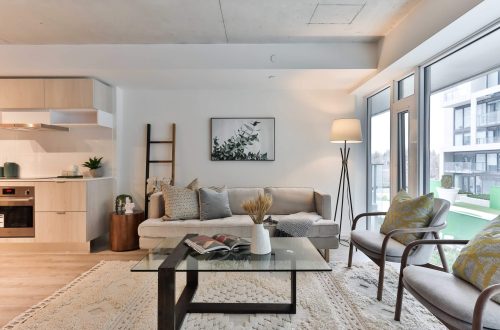
Step-by-Step Guide to Installing Peel-and-Stick Backsplashes and Flooring
Peel-and-stick materials have revolutionized renter-friendly home improvements, offering professional-looking results without permanent damage to surfaces. These versatile products can transform kitchens, bathrooms, and floors while remaining completely removable when properly installed.
Installing Peel-and-Stick Backsplashes
Required Tools and Materials:
- Prepare the Surface: Clean the wall thoroughly with mild soap and water, then wipe with rubbing alcohol to remove any grease or residue. Allow the surface to dry completely before installation.
- Measure and Plan: Measure the area to be covered and plan your tile layout. Start from the center or most visible area to ensure symmetrical placement. Mark guidelines with a pencil and level.
- Cut Tiles to Size: Measure and mark tiles for cutting around outlets, corners, or irregular areas. Cut carefully with a utility knife, scoring the material and cutting through the backing.
- Apply First Tile: Remove the backing from the first tile and carefully position it according to your guidelines. Press firmly from the center outward to eliminate air bubbles.
- Continue Installation: Work systematically, ensuring each tile aligns properly with adjacent pieces. Use a squeegee to press tiles firmly and remove any trapped air.
- Finish Edges: Trim edge tiles to fit precisely against walls, cabinets, or appliances. Use a utility knife with a fresh blade for clean cuts.
- Final Inspection: Check for loose edges or air bubbles and press down firmly. Clean the surface with a damp cloth to remove any fingerprints or debris.
Installing Peel-and-Stick Flooring
Required Tools and Materials:
- Prepare the Subfloor: Ensure the existing floor is clean, dry, and smooth. Vacuum thoroughly and repair any major imperfections. The surface should be free of dust, debris, and loose materials.
- Acclimate Materials: Allow peel-and-stick tiles to acclimate to room temperature for 24-48 hours before installation. This prevents curling and ensures proper adhesion.
- Plan the Layout: Measure the room and plan your layout to minimize cuts and ensure pattern continuity. Start from the center of the room and work outward for the best results.
- Mark Guidelines: Use a chalk line or pencil to mark center lines on the floor. These guidelines help maintain straight rows and symmetrical placement.
- Install First Tiles: Remove backing from the first few tiles and position them according to your guidelines. Press firmly with a rolling pin or floor roller to ensure proper adhesion.
- Continue Installation: Work in small sections, removing backing only as you install tiles. Stagger seams between rows for a more natural appearance.
- Finish Edges: Cut edge tiles to fit precisely against walls and obstacles. Use a utility knife and straightedge for clean, straight cuts.
- Final Rolling: Roll the entire floor with a floor roller to ensure all tiles are properly adhered and to eliminate any air bubbles.
Pro Tip: Always test a small area first to ensure proper adhesion and compatibility with your surface. Some surfaces may require light sanding or priming for optimal results with peel-and-stick products.
How to Hang Curtains and Heavy Art Without Drilling Large Holes
Hanging curtains and artwork can dramatically enhance your apartment’s appearance, but drilling large holes may violate lease agreements or result in costly repairs. Fortunately, numerous damage-free hanging solutions exist for various weight requirements and surface types.
Curtain Hanging Solutions
Modern tension curtain rods offer sophisticated alternatives to traditional wall-mounted options. These systems use pressure to secure rods between walls without any drilling or adhesive residue.
Tension Rods: High-quality tension rods can support significant weight when properly installed. Choose rods with adjustable tension mechanisms and rubberized ends to prevent slipping and wall damage.
- Measure window width and add 6-8 inches for proper coverage
- Extend rod fully and adjust tension gradually
- Use rubber shelf liners on rod ends for additional grip
- Test weight capacity before hanging heavy curtains
Adhesive Curtain Rods: Command-style adhesive rods provide another damage-free option for lighter curtains. These systems use specially formulated adhesives that remove cleanly when properly applied.
- Clean surfaces thoroughly with rubbing alcohol before application
- Apply strips according to manufacturer instructions
- Wait recommended time before hanging curtains
- Remove by stretching slowly parallel to surface
Hanging Heavy Art and Decorations
Heavy artwork requires more robust hanging solutions, but damage-free options exist for most weight requirements. The key is matching the hanging system to the item’s weight and your wall surface.
Heavy-Duty Adhesive Systems: Modern adhesive hooks and strips can support surprisingly heavy items when properly applied. Look for products rated for your item’s weight and follow application instructions precisely.
- Clean wall surface with rubbing alcohol before application
- Apply multiple strips for heavy items, distributing weight evenly
- Press firmly and allow recommended curing time
- Remove by pulling slowly and parallel to wall surface
Damage-Free Picture Hanging Systems: Innovative systems like Monkey Hooks or similar products use small holes that are easily patched, but many modern alternatives eliminate holes entirely.
- Use adhesive picture hangers for items under 10 pounds
- Install floating shelves with damage-free brackets for heavier items
- Consider leaning artwork against walls for temporary displays
- Use decorative screens or room dividers to display collections
Important: Always check with your landlord before installing any hanging systems, even damage-free options. Some lease agreements specifically prohibit any modifications, including seemingly harmless adhesive products.
Upgrading Cabinet Hardware and Light Fixtures (and How to Switch Them Back)
Upgrading cabinet hardware and light fixtures can dramatically transform your apartment’s appearance while remaining completely reversible. These improvements require minimal tools and can be completed in a single weekend, making them ideal renter-friendly upgrades.
Cabinet Hardware Upgrades
Cabinet hardware includes knobs, handles, and pulls that can be easily replaced without permanent damage. Modern options offer numerous styles, finishes, and price points to match any decor preference.
Required Tools:
- Inventory Existing Hardware: Remove one piece of existing hardware and measure the screw hole spacing. This measurement, called “center-to-center,” determines compatible replacement options.
- Select Replacement Hardware: Choose new hardware that matches your center-to-center measurements or plan for filling old holes. Consider style, finish, and functionality when selecting replacements.
- Remove Old Hardware: Unscrew existing knobs or handles and store them safely. Take photos of the installation process to reference when reinstalling originals.
- Install New Hardware: Align new hardware with existing holes and secure with provided screws. Ensure proper alignment and tightness without over-tightening.
- Address Hole Mismatches: If new hardware requires different hole spacing, use wood filler or toothpicks to fill old holes. Sand smooth and touch up with matching paint if necessary.
- Final Inspection: Check that all hardware is properly secured and aligned. Open and close cabinet doors to ensure smooth operation.
Light Fixture Upgrades
Light fixture upgrades can dramatically change a room’s ambiance and functionality. Many modern fixtures can be installed without electrical work by simply replacing shades, bulbs, or surface-mounted components.
Required Tools:
- Turn Off Power: Switch off the circuit breaker controlling the fixture. Use a non-contact voltage tester to confirm power is off before beginning work.
- Remove Existing Fixture: Unscrew mounting hardware and carefully disconnect wires. Take photos of wire connections for reference during reinstallation.
- Install New Fixture: Connect wires according to manufacturer instructions (typically black to black, white to white, green to ground). Secure mounting hardware and attach fixture components.
- Test Installation: Turn power back on and test the fixture. Ensure proper operation and check for any loose connections or wobbling.
- Document Changes: Keep original fixtures and hardware organized for easy reinstallation. Take photos of the upgraded space for future reference.
Reverting to Original Hardware
When moving out, returning fixtures to their original condition is essential for deposit protection. Proper reinstallation requires attention to detail and careful handling of original components.
- Reference Installation Photos: Use photos taken during the upgrade process to guide reinstallation of original hardware and fixtures.
- Address Any Damage: Fill any new holes with appropriate filler and touch up paint to match original wall color. Minor imperfections are typically acceptable.
- Reinstall Original Components: Follow the reverse installation process, ensuring all original hardware is properly secured and functional.
- Final Inspection: Check that all original fixtures and hardware are properly installed and functioning correctly.
Pro Tip: Always keep original hardware and fixtures in a labeled box with photos of their installation. This makes reinstallation much easier and ensures you have all necessary components when moving out.
The Best Removable Wallpapers and Where to Find Them
Removable wallpaper has evolved from flimsy, easily damaged coverings to sophisticated, professional-quality options that can completely transform room aesthetics without permanent commitment. Modern removable wallpapers offer numerous patterns, textures, and installation methods that make them ideal for renters seeking dramatic changes.
Types of Removable Wallpaper
Peel-and-Stick Wallpaper: This popular option features a self-adhesive backing that eliminates the need for paste or water activation. Installation is straightforward, and removal typically leaves no residue when properly applied.
- Easy installation with no messy paste required
- Removes cleanly when pulled at correct angle
- Available in numerous patterns and textures
- Reusable in some cases for temporary installations
Temporary Wallpaper Sheets: These large-format wallpapers come pre-sized for standard wall dimensions and can be applied and removed like giant stickers. They’re ideal for renters who want dramatic changes without measuring or cutting.
- Pre-sized for standard wall dimensions
- No cutting or measuring required
- Professional appearance when properly installed
- Perfect for temporary transformations
Removable Wallpaper Paste: Traditional wallpaper application with specially formulated removables pastes that allow for easy removal without wall damage. This method offers the most authentic wallpaper appearance.
- Most authentic wallpaper appearance
- Excellent pattern matching capabilities
- Suitable for large-scale installations
- Professional-grade results possible
Top Removable Wallpaper Brands
Chasing Paper: Known for high-quality peel-and-stick options with sophisticated patterns and excellent adhesion. Their wallpapers remove cleanly and offer professional results.
Tempaper: Specializes in removable wallpaper with traditional application methods but damage-free removal. Offers extensive pattern collections and custom sizing options.
WallPops: Creates peel-and-stick wallpapers and wall graphics with innovative patterns and textures. Their products are particularly popular for accent walls and creative installations.
Graham & Brown: Offers premium removable wallpapers with both peel-and-stick and traditional application options. Known for durability and extensive pattern collections.
Installation Best Practices
Successful removable wallpaper installation requires proper surface preparation and careful application techniques. Following manufacturer instructions precisely ensures optimal results and easy removal.
Surface Preparation:
- Clean walls thoroughly with mild soap and water
- Remove any loose paint, wallpaper, or debris
- Fill holes and imperfections with appropriate filler
- Prime glossy surfaces for better adhesion
- Ensure walls are completely dry before installation
Application Techniques:
- Measure and mark wall dimensions for proper placement
- Apply wallpaper in sections to prevent drying
- Use a smoothing tool to eliminate air bubbles
- Trim edges carefully with a sharp utility knife
- Allow recommended curing time before heavy use
Removal Without Damage
Proper removal techniques ensure walls remain undamaged and ready for the next tenant. The key is removing wallpaper slowly and at the correct angle while using appropriate tools.
- Test Removal Method: Test a small, inconspicuous area to determine the best removal technique for your specific wallpaper and wall surface.
- Warm the Surface: Use a hair dryer on low heat to warm the wallpaper, making adhesive more pliable and easier to remove.
- Peel Slowly: Remove wallpaper by pulling slowly at a 45-degree angle. Work in small sections to maintain control and prevent tearing.
- Clean Residue: Use a damp cloth or adhesive remover to clean any remaining adhesive. Avoid harsh chemicals that might damage wall paint.
- Final Inspection: Check walls for any remaining adhesive or damage. Touch up paint as needed to restore original appearance.
Pro Tip: Always test wallpaper removal in an inconspicuous area first, especially on older painted surfaces. Some wallpapers may remove easily while others require more careful technique to prevent paint damage.
Troubleshooting: How to Fix Common Wall Damage from Adhesive Hooks and Tape
Even the best-intentioned renters occasionally encounter wall damage from adhesive products. Understanding how to properly repair common damage ensures your security deposit remains intact while maintaining wall integrity for future tenants.
Removing Adhesive Residue
Adhesive residue is the most common issue with removable products. Proper removal techniques vary depending on the adhesive type and wall surface.
- Warm the Area: Use a hair dryer on low heat to soften stubborn adhesive. Hold the dryer 6-8 inches from the surface and move it continuously to prevent overheating.
- Scrape Gently: Use a plastic scraper or old credit card to gently lift adhesive residue. Work in the direction of the scrape to prevent gouging the wall surface.
- Apply Adhesive Remover: For persistent residue, apply a small amount of adhesive remover or rubbing alcohol. Let it sit for a few minutes before scraping.
- Clean the Surface: Wipe the area with a damp cloth to remove any remaining residue or cleaning solution. Allow to dry completely.
- Touch Up Paint: If the cleaning process removes paint, touch up with matching paint or primer as needed.
Repairing Small Holes and Dents
Small holes from hooks or tacks can be easily repaired with common household materials. The key is proper preparation and matching the repair material to the existing wall surface.
- Clean the Area: Remove any loose debris or paint chips from around the hole. Wipe with a damp cloth and allow to dry completely.
- Fill Small Holes: For holes smaller than 1/4 inch, use spackling compound or toothpaste. Apply with a putty knife and smooth flush with the wall surface.
- Fill Larger Holes: For larger holes, use joint compound or wood filler. Apply in thin layers, allowing each layer to dry before applying the next.
- Sand Smooth: Once dry, sand the filled area with fine-grit sandpaper until smooth and flush with surrounding wall surface.
- Prime and Paint: Apply primer to the repaired area, then touch up with matching wall paint. Feather the paint edges to blend with existing paint.
Addressing Paint Damage
Adhesive removal sometimes pulls off small amounts of paint, leaving noticeable patches. Proper touch-up techniques can restore walls to their original appearance.
- Match the Paint: Take a sample or photo to a paint store for color matching. Many stores offer computerized color matching services for accurate results.
- Prepare the Surface: Clean the damaged area and sand lightly to create a smooth surface for paint adhesion.
- Apply Primer: Use a high-quality primer to seal the area and ensure proper paint adhesion. Allow to dry completely according to manufacturer instructions.
- Apply Touch-Up Paint: Apply paint in thin, even coats, allowing each coat to dry before applying the next. Feather edges to blend with existing paint.
- Final Blending: If necessary, lightly sand between coats and blend the painted area with a damp cloth to remove any texture differences.
Prevention and Best Practices
Preventing wall damage is always preferable to repairing it. Following proper installation and removal techniques can eliminate most damage issues.
Installation Tips:
- Clean wall surfaces thoroughly before applying any adhesive products
- Test adhesion on a small area before full installation
- Apply products at room temperature for optimal adhesion
- Press firmly and hold for several seconds to ensure proper bonding
- Allow recommended curing time before applying weight or stress
Removal Tips:
- Remove products slowly and at the correct angle (usually parallel to surface)
- Warm adhesive with a hair dryer to make removal easier
- Use appropriate tools to prevent gouging wall surfaces
- Clean residue immediately to prevent permanent staining
- Address any damage promptly to prevent further deterioration
Important: If you’re unsure about your ability to repair wall damage properly, consider hiring a professional or asking your landlord for guidance. Attempting complex repairs without proper experience can result in more extensive damage and higher repair costs.
Renter-friendly DIY improvements offer an excellent opportunity to personalize your living space while maintaining the flexibility to move without costly repairs or deposit deductions. By choosing appropriate materials, following proper installation techniques, and planning for easy removal, you can enjoy the benefits of home improvements without the long-term commitment. Remember that communication with your landlord is always essential, and keeping detailed records of your improvements can help ensure a smooth transition when moving out. With the right approach and careful attention to detail, your rental apartment can be transformed into a space that truly reflects your personal style and enhances your daily living experience.