The Power of Multi-Functional Furniture: Ottomans with Storage, Convertible Desks, and More
In small apartments, every piece of furniture should serve multiple purposes. Multi-functional furniture is the cornerstone of efficient small-space living, allowing you to maximize utility without sacrificing style or comfort. The key is selecting pieces that seamlessly blend form with function.
Storage Solutions That Double as Seating
Ottomans with built-in storage are perhaps the most versatile pieces for small apartments. They provide seating when needed and hidden storage for blankets, books, or seasonal items. Look for ottomans with lift-top lids or side-opening compartments for easy access. Choose designs that complement your existing furniture to maintain visual cohesion.
Storage benches serve a similar purpose but offer additional functionality. Place one at the foot of your bed for extra seating and storage, or use it as an entryway bench to organize shoes and outerwear. Many storage benches come with removable cushions, allowing you to access contents without moving the entire piece.
Convertible Work and Dining Spaces
Convertible desks are game-changers for studio apartments where workspace and dining areas often overlap. Wall-mounted drop-leaf tables can be folded down when needed for work and tucked away when not in use. Some models include built-in storage or can be mounted over existing furniture to maximize vertical space.
Dining tables with integrated storage offer hidden compartments for placemats, napkins, and serving pieces. Extendable tables that can accommodate dinner guests but remain compact during daily use are particularly valuable in small spaces.
Bedroom Furniture with Hidden Potential
Platform beds with built-in drawers eliminate the need for separate dressers while providing substantial storage space. Some models feature hydraulic lifts that make accessing under-bed storage effortless. Murphy beds, while requiring more investment, can transform a bedroom into a living room or workspace when folded up.
Nightstands with multiple compartments and hidden storage help keep bedside essentials organized without visual clutter. Look for models with USB charging ports and built-in lighting for added functionality.
Pro Tip: When shopping for multi-functional furniture, prioritize quality over quantity. Invest in well-constructed pieces that will serve multiple purposes for years to come, rather than buying cheaper alternatives that may need replacement.
How to Use Vertical Space: A Guide to Shelving That Won’t Damage Your Walls
Vertical space is the most underutilized resource in small apartments. By thinking vertically, you can dramatically increase your storage capacity without taking up precious floor space. The key is implementing shelving solutions that are both effective and respectful of your walls.
Floating Shelves: Style Meets Functionality
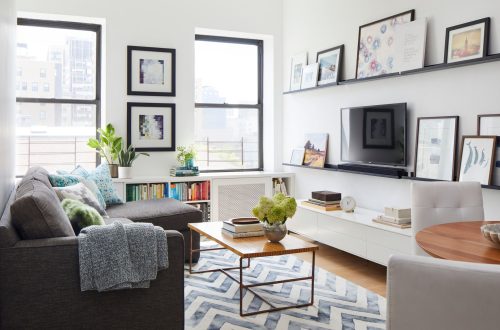
Floating shelves create the illusion of more space while providing valuable storage. Modern floating shelf systems use hidden brackets that make shelves appear to “float” on the wall. Install them at varying heights to create visual interest and accommodate items of different sizes.
When installing floating shelves, use appropriate wall anchors for your wall type. For drywall, toggle bolts or wall anchors rated for the weight you plan to store are essential. Always locate wall studs when possible and distribute weight evenly across multiple attachment points.
Tension Rod Solutions
Tension rods offer damage-free shelving options that are perfect for renters or those who prefer not to put holes in walls. Adjustable tension rods can be used to create shelving in corners, inside cabinets, or between walls. They’re particularly effective for storing spices, cleaning supplies, or folded clothing.
Modern tension rod systems include multi-tier options that maximize vertical space. Some systems feature adjustable heights, allowing you to customize spacing based on your storage needs.
Over-the-Door Storage Solutions
Over-the-door organizers transform unused door space into valuable storage. These solutions work for bedroom, bathroom, and closet doors, providing space for shoes, accessories, cleaning supplies, or pantry items. Look for heavy-duty options that can support substantial weight without damaging door frames.
Modern over-the-door solutions include modular systems that can be customized for specific needs. Some feature adjustable shelves, hooks, and compartments that can be reconfigured as your storage requirements change.
Ceiling-Mounted Storage
For truly maximizing vertical space, consider ceiling-mounted storage solutions. These systems are particularly effective in rooms with high ceilings, providing storage for seasonal items, luggage, or rarely-used belongings. Modern ceiling storage systems include pulley mechanisms that make accessing stored items easier.
Important: Always check with your landlord before installing any wall-mounted storage solutions. Many rental agreements specify what types of modifications are permitted, and unauthorized installations can result in deposit deductions.
Lighting and Mirror Tricks to Make Any Room Feel Twice as Big
Strategic lighting and mirror placement can dramatically transform the perception of space in small apartments. These optical illusions work by manipulating light, reflection, and visual depth to create the impression of larger, more open spaces.
Layered Lighting Strategies
Layered lighting combines ambient, task, and accent lighting to create depth and dimension. Ambient lighting provides overall illumination, task lighting focuses on specific activities, and accent lighting highlights architectural features or artwork. This approach prevents the flat, harsh lighting that can make small spaces feel cramped.
LED strip lighting installed under cabinets, behind furniture, or along ceiling edges creates subtle ambient illumination that makes walls appear to recede. Smart lighting systems allow you to adjust brightness and color temperature throughout the day, optimizing the space’s ambiance for different activities.
Mirror Magic and Reflection Techniques
Large mirrors strategically placed can double the visual space by reflecting light and creating the illusion of depth. Position mirrors opposite windows to maximize natural light reflection. Full-length mirrors placed near entryways serve both functional and spatial purposes.
Mirrored furniture, such as console tables or cabinet doors, provides the benefits of mirrors while serving practical functions. Mirrored accent walls create dramatic visual impact while expanding perceived space. However, avoid overusing mirrors, which can create a disorienting funhouse effect.
Color and Light Coordination
Light-colored walls and ceilings reflect more light, making spaces feel larger and more open. White, off-white, and pale pastels are particularly effective. Consider painting the ceiling a lighter shade than the walls to create vertical visual expansion.
Glossy or semi-gloss paint finishes reflect more light than flat finishes, enhancing the spacious feeling. However, these finishes show imperfections more readily, so proper surface preparation is crucial.
Pro Tip: Use lighting to define different zones within open spaces. Table lamps with directional lighting can create a reading nook, while pendant lights can delineate dining areas in studio apartments.
Common Mistakes That Make Small Apartments Feel Cramped and How to Avoid Them
Even with the best intentions, certain design choices can make small apartments feel smaller than they actually are. Recognizing and avoiding these common pitfalls is essential for creating a comfortable, spacious living environment.
Furniture Scale and Proportion Issues
One of the most common mistakes is choosing furniture that’s too large for the space. Oversized sofas, bulky dining tables, and massive entertainment centers can overwhelm small rooms and impede traffic flow. Instead, opt for furniture scaled to your space dimensions.
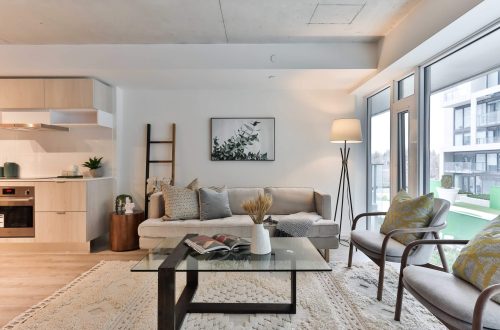
Low-profile furniture creates visual space by allowing more light to circulate and making ceilings appear higher. Avoid furniture with heavy, ornate details that can make pieces appear larger than they are. Choose furniture with exposed legs to create visual lightness and allow light to flow underneath.
Color and Pattern Overload
Using too many bold colors or busy patterns can make small spaces feel chaotic and cramped. Stick to a cohesive color palette with one or two accent colors. Use patterns sparingly and balance them with solid colors to prevent visual overwhelm.
Dark colors absorb light and can make ceilings feel lower and walls feel closer. While dark accents can create drama, they should be used judiciously in small spaces. Instead, embrace light, airy colors that reflect light and expand visual space.
Poor Storage Planning
Inadequate storage leads to clutter accumulation, which is the enemy of spacious feeling interiors. Plan storage solutions before moving in and maintain organization systems consistently. Everything should have a designated home to prevent accumulation of miscellaneous items.
Avoid storing items in plain sight, even if they’re organized. Use decorative baskets, covered containers, or furniture with enclosed storage to keep belongings out of sight. Vertical storage solutions help keep floor space clear and open.
Blocking Natural Light
Heavy curtains, large furniture placed in front of windows, or excessive window treatments can block precious natural light. Maximize natural light by keeping window areas clear and using light-filtering window treatments that can be easily opened during daylight hours.
Avoid placing tall furniture directly in front of windows, as this blocks light and creates visual barriers. If furniture placement requires positioning items near windows, choose pieces with low profiles or transparent elements.
Warning: Resist the urge to fill every available space with furniture or decorations. Empty space, also known as negative space, is just as important as filled space in creating a balanced, spacious feeling environment.
20 Genius Small Space Hacks for Maximum Impact
These practical solutions have been proven to transform small apartments into functional, comfortable living spaces. Each hack addresses specific challenges common in compact living situations.
- Use door space for storage: Install over-the-door shoe organizers, hooks, or racks to maximize unused vertical space without taking up floor area.
- Create zones with rugs: Define different functional areas using area rugs. A rug under the dining table creates a dining zone, while one under the coffee table defines the living area.
- Install magnetic strips: Mount magnetic strips on walls or inside cabinet doors to store knives, spices, or small tools, keeping them accessible but out of the way.
- Use furniture as room dividers: Bookcases, console tables, or folding screens can separate living and sleeping areas while maintaining an open feel.
- Hang pots and pans: Install a pot rack or hooks in the kitchen to free up cabinet space and add visual interest to walls.
- Choose transparent furniture: Glass-top tables, acrylic chairs, and transparent storage containers maintain functionality while visually disappearing.
- Install a rolling cart: Mobile kitchen or bathroom carts can be moved where needed and tucked away when not in use.
- Use the space under furniture: Store items under beds, sofas, or coffee tables using rolling bins or shallow containers.
- Mount your TV on the wall: Wall-mounted televisions free up floor space and can be positioned at optimal viewing heights.
- Create a gallery wall: Group smaller artwork or photographs together to draw the eye upward and create visual interest.
- Use corner space effectively: Install corner shelves, place a corner desk, or position a corner chair to utilize often-wasted triangular areas.
- Install a window seat: Built-in or freestanding window seats provide additional seating while creating storage underneath.
- Choose multi-purpose decor: Decorative baskets can store blankets, attractive boxes can hide remote controls, and stylish trays can organize small items.
- Use vertical file storage: Mount file organizers on walls or inside cabinet doors to store papers, magazines, or recipes vertically.
- Install a pegboard: Pegboards in kitchens, craft areas, or entryways provide customizable storage that can be easily reconfigured.
- Create a breakfast bar: Use a narrow console table or kitchen island to create additional dining or workspace without taking up much room.
- Use stackable storage: Stackable bins, nesting bowls, and collapsible containers maximize storage efficiency while remaining flexible.
- Install crown molding: Adding crown molding draws the eye upward and makes ceilings appear higher, creating a more spacious feeling.
- Use under-shelf baskets: Install baskets under existing shelves to double storage space without additional wall mounting.
- Create a folding workstation: Install a wall-mounted desk that folds up when not in use, transforming work areas into open space instantly.
Pro Tip: Implement these hacks gradually rather than all at once. This approach allows you to assess what works best for your specific space and lifestyle while avoiding overwhelming changes.
Maximizing small apartment spaces requires creativity, strategic planning, and attention to detail. By implementing these proven techniques—from multi-functional furniture and smart storage solutions to lighting tricks and space-defining strategies—you can transform even the smallest studio into a comfortable, functional, and stylish home. Remember that small space living is not about deprivation but about making thoughtful choices that enhance your quality of life while working with your space’s unique characteristics.