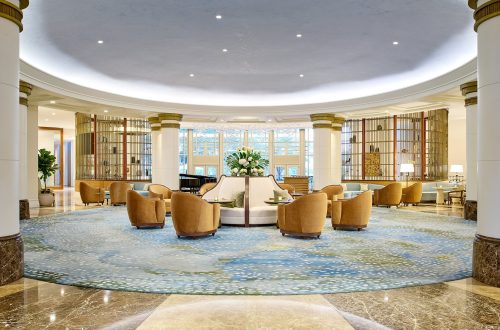
Choosing the right type of hotel can make or break your travel experience. With so many options available—from intimate boutique properties to sprawling all-inclusive resorts and no-frills business hotels—it’s essential to understand the differences in atmosphere, service, and amenities. The best choice isn’t about luxury or price alone; it’s about alignment with your trip’s purpose, travel style, and expectations.
In 2025, travelers are more discerning than ever. They’re not just looking for a place to sleep—they want a stay that enhances their journey. Whether you’re planning a romantic weekend, a family vacation, or a solo work trip, selecting the right hotel category ensures you get the most value, comfort, and enjoyment from your time away. This guide breaks down the key differences between boutique, resort, and business hotels, helping you make an informed decision for your next adventure.
By understanding what each hotel type offers—and when to choose one over the others—you can avoid overpaying for unnecessary amenities or missing out on experiences that would elevate your trip. Let’s explore the defining characteristics of each and how to match them to your travel goals.
Key Differences in Amenities, Service, and Atmosphere
The three main hotel categories—boutique, resort, and business—serve different needs and deliver distinct experiences. Here’s a breakdown of what sets them apart:
| Feature | Boutique Hotel | Resort | Business Hotel |
|---|---|---|---|
| Size | Small (10–100 rooms) | Large (200+ rooms) | Medium to large (150–500 rooms) |
| Location | Urban centers, historic districts, scenic areas | Beachfront, mountain retreats, tourist destinations | Downtown, near airports, business districts |
| Amenities | Limited but curated: art, local cuisine, rooftop bars | Extensive: pools, spas, kids’ clubs, multiple restaurants | Functional: fitness center, business center, meeting rooms |
| Service Style | Personalized, attentive, often owner-managed | Structured, multi-department (concierge, recreation, etc.) | Efficient, professional, 24/7 front desk |
| Atmosphere | Unique, stylish, intimate, artsy | Relaxed, lively, family-friendly, social | Quiet, professional, streamlined, no distractions |
| Target Guest | Couples, solo travelers, culture seekers | Families, honeymooners, vacationers | Corporate travelers, conference attendees |
Boutique hotels focus on character and individuality. Each property is designed with a unique theme, often reflecting local culture, architecture, or art. They offer a more intimate experience with highly personalized service. While they may lack large-scale facilities, their charm lies in curated details—from handcrafted toiletries to chef-driven local menus.
Resorts are destination in themselves. They provide a full ecosystem of entertainment, dining, and relaxation options, allowing guests to stay on-site for days. Resorts excel in convenience and all-inclusive experiences, making them ideal for travelers who want everything in one place. Staff are trained to cater to diverse needs, from kids’ activities to spa treatments.
Business hotels prioritize efficiency and connectivity. Located in commercial hubs, they offer fast Wi-Fi, ergonomic workspaces, and streamlined check-in/check-out. While they may seem impersonal, many now include fitness centers, grab-and-go dining, and even rooftop lounges to appeal to leisure travelers.
When to Choose a Boutique Hotel (Unique, Local Experience)
A boutique hotel is the ideal choice when you’re seeking authenticity, design, and a sense of place. These properties are often independently owned or part of small collections, allowing for creative freedom and deep community ties.
Choose a boutique hotel if:
- You’re traveling to a city or region known for its culture, food, or art (e.g., Charleston, Tuscany, Kyoto).
- You want a memorable, Instagram-worthy stay with unique interior design and local craftsmanship.
- You prefer smaller spaces where staff get to know you by name and offer personalized recommendations.
- You’re on a romantic getaway or solo trip and value intimacy over entertainment options.
- You enjoy discovering hidden gems, such as a speakeasy bar, secret garden, or curated bookshelf in your room.
Boutique hotels often partner with local businesses—think coffee roasters, artisans, or tour guides—giving you access to experiences you won’t find in guidebooks. Some even host guest events like wine tastings, walking tours, or artist meetups.
While they may not have a pool or 24-hour room service, their attention to detail and local integration can make your trip feel more immersive and meaningful. For travelers who value authenticity over amenities, boutique hotels are unmatched.
When a Full-Service Resort Is Worth the Money (Family Vacations, Relaxation)
Full-service resorts are designed for one thing: effortless vacationing. If your goal is to relax, disconnect, and enjoy a wide range of activities without leaving the property, a resort is worth the investment.
Resorts are especially valuable for:
- Family trips: Kids’ clubs, pools with waterslides, family suites, and supervised activities give parents a break while keeping children entertained.
- All-inclusive packages: Pay once and enjoy meals, drinks, and many activities included. This simplifies budgeting and reduces daily decision fatigue.
- Beach or nature getaways: Resorts in destinations like the Caribbean, Bali, or the Maldives offer direct access to snorkeling, hiking, or water sports.
- Special occasions: Resorts often provide wedding planning, honeymoon amenities, and private dining—perfect for milestone celebrations.
- Travelers seeking convenience: With multiple restaurants, spas, fitness classes, and nightly entertainment, you can enjoy a full vacation without stepping outside.
While resorts can be more expensive upfront, the bundled value often exceeds what you’d pay for the same services à la carte. For example, a $500/night all-inclusive resort might include $300+ worth of food, drinks, and activities daily.
The social atmosphere also makes resorts great for solo travelers or couples who enjoy meeting other guests. Many offer group excursions, cooking classes, or cocktail hours to foster connection.
Why Business Hotels Can Be Great for Tourists (Location, Amenities)
Don’t overlook business hotels when planning a leisure trip. Despite their corporate reputation, many offer significant advantages for tourists—especially in big cities.
Here’s why business hotels can be a smart choice for travelers:
- Prime locations: Situated in downtown areas, near transit hubs, or within walking distance of major attractions, business hotels put you at the center of the action.
- Modern, comfortable rooms: Designed for productivity, they feature excellent lighting, large desks, USB charging ports, and blackout curtains—great for resting after a long day of sightseeing.
- Reliable amenities: High-speed Wi-Fi, 24-hour fitness centers, and coffee shops make it easy to stay connected and energized.
- Lower weekend rates: Since demand drops on weekends, many business hotels offer discounted rates—sometimes 40–60% less than weekday prices.
- Quiet environment: With fewer conferences and events on weekends, these hotels become peaceful retreats, perfect for tourists who want to recharge.
- Free perks: Many offer complimentary breakfast, airport shuttles, or evening manager’s receptions with snacks and drinks.
Major chains like Hilton, Marriott, and Hyatt operate business-focused properties in cities worldwide, often with loyalty benefits and consistent quality. Even if the decor is more functional than flashy, the convenience and comfort can outweigh the lack of resort-style flair.
For example, staying at a business hotel in Manhattan means you’re likely near subway lines, restaurants, and museums—without paying resort premiums. Plus, weekend brunch deals or happy hour specials can enhance your local experience.
PDF Decision Tree to Help You Find the Perfect Hotel Type for Your Next Trip
To simplify your decision-making, here’s a step-by-step guide to choosing the right hotel type based on your trip’s purpose, budget, and preferences. While this is a text-based version, you can imagine it as a downloadable PDF flowchart.
- What is the main purpose of your trip?
- Leisure & exploration → Go to 2
- Relaxation & pampering → Choose Resort
- Work or meetings → Choose Business Hotel
- Are you traveling with family or young children?
- Yes → Choose Resort (for kids’ activities and space)
- No → Go to 3
- Do you want a unique, design-forward experience?
- Yes → Go to 4
- No → Go to 5
- Is location in a trendy or historic neighborhood important?
- Yes → Choose Boutique Hotel
- No → Consider Resort or Business Hotel based on budget
- Do you prefer being in the heart of the city with easy transit access?
- Yes → Choose Business Hotel (especially on weekends)
- No → Choose Boutique Hotel or Resort based on scenery preference
- Is your priority relaxation with minimal planning?
- Yes → Choose Resort (especially all-inclusive)
- No → Re-evaluate based on experience goals
This decision tree helps you cut through the noise and focus on what matters most for your trip. Whether you value local charm, family-friendly fun, or urban convenience, there’s a hotel type that aligns perfectly with your needs.
📥 Download Free PDF: “Hotel Type Decision Tree for Your Next Trip”In WordPress, this link would trigger a downloadable PDF file. The PDF would include a visual flowchart of the above questions, printable for easy reference when planning travel.
Ultimately, the best hotel isn’t the most expensive or the most luxurious—it’s the one that fits your trip like a glove. Boutique hotels offer soul and style, resorts deliver comfort and convenience, and business hotels provide efficiency and access. By understanding the strengths of each, you can make a confident choice that enhances every moment of your journey. Whether you’re chasing adventure, relaxation, or productivity, the right stay sets the tone for an unforgettable experience.